Category Archives: Sketches

Kandariya Mahadeva Temple

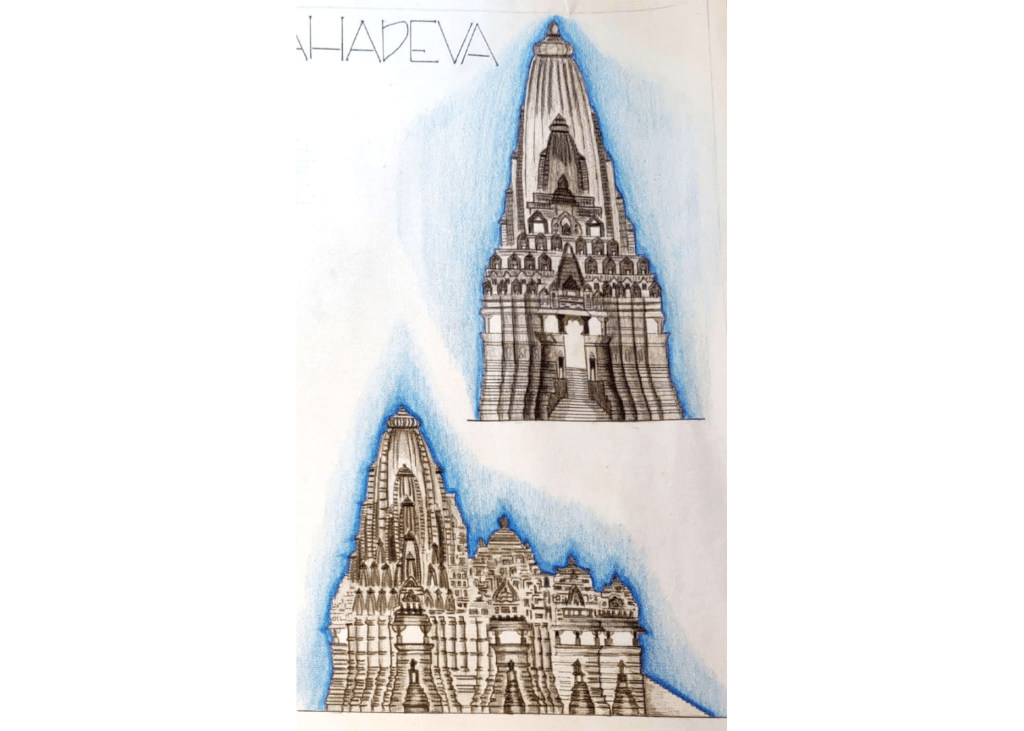
This is a Hindu temple called the Kandariya Mahadeva, the largest and tallest of the surviving temples at the temple site of Khajuraho, in central India. It is dedicated to Shiva, who is represented by the linga in the main shrine known as the womb chamber located at the heart of the building.

The Khajuraho temples sit on very large platforms, and it is thought that originally there may have been a lake here beneath them. An association between temple sites and water is appropriate, as an essential part of Hindu worship is ritual bathing, required by the devout in order to purify themselves before entering the sacred area of the temple.
Sanchi Stupa

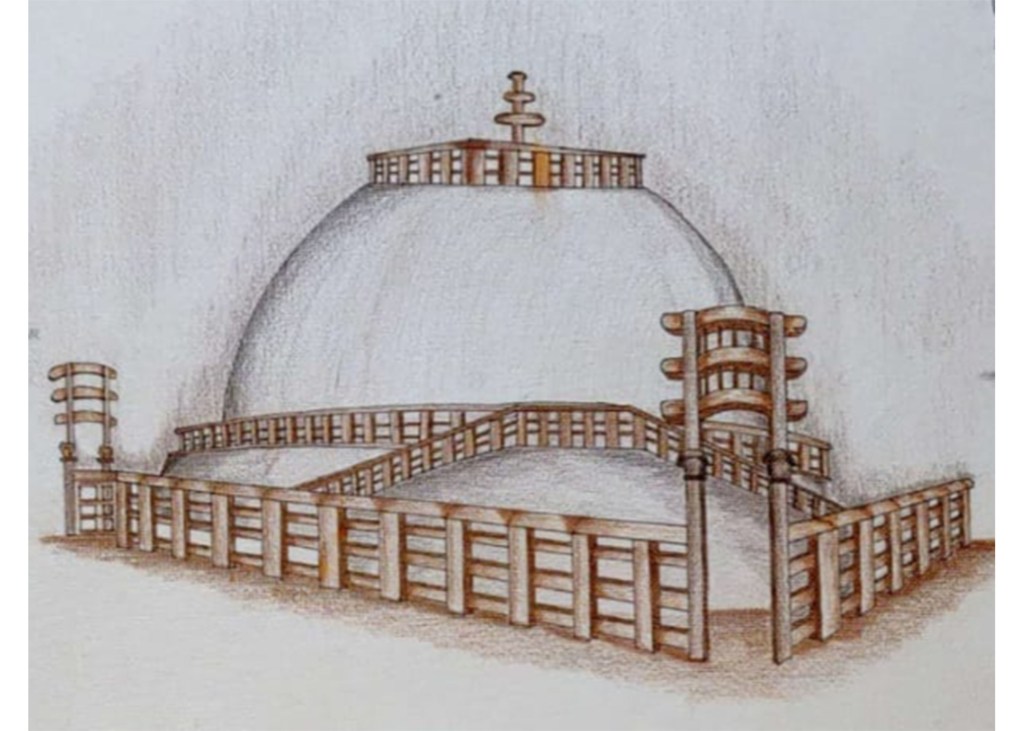
Sanchi is a Buddhist complex, famous for its Great Stupa, on a hilltop at Sanchi Town in Raisen District of the State of Madhya Pradesh, India. It is located in 46 kilometres (29 mi) north-east of Bhopal, capital of Madhya Pradesh.

The Stupas of Sanchi were constructed on the orders of Emperor Ashoka to preserve and spread the Buddhist philosophy. Sanchi has been protecting these beautiful and sacred architectural wonders, just the way these wonders have been safeguarding ancient history and art of the Mauryan period.

The numerous stupas, temples, monasteries and an Ashokan pillar have been the focus of interest and awe for global audiences as well. In fact, UNESCO has given the status of ‘World Heritage Site’ to the Mahastupa.

Sketches

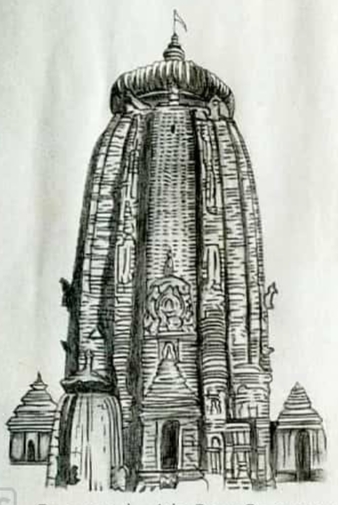
Lingaraja Temple is a Hindu temple dedicated to Shiva and is one of the oldest temples in Bhubaneswar, the capital of the Indian state of Odisha,India. The temple is the most prominent landmark of Bhubaneswar city and one of the major tourist attractions of the state.The Lingaraja temple is the largest temple in Bhubaneswar. The central tower of the temple is 180 ft (55 m) tall. The temple represents the quintessence of the Kalinga architecture and culminating the medieval stages of the architectural tradition at Bhubaneswar. The temple is believed to be built by the kings from the Somavamsi dynasty, with later additions from the Ganga rulers. The temple is built in the Deula style that has four components namely, vimana (structure containing the sanctum), jagamohana (assembly hall), natamandira (festival hall) and bhoga-mandapa (hall of offerings), each increasing in the height to its predecessor. The temple complex has 50 other shrines and is enclosed by a large compound wall.