Structural Glazing and curtain wall
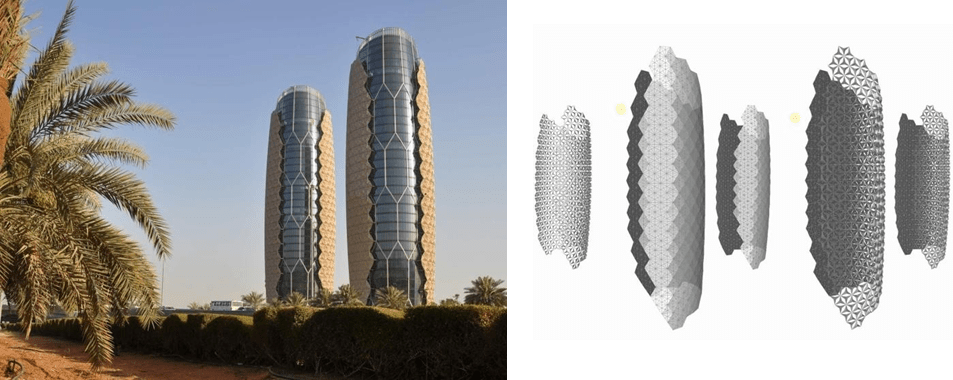
NAME OF THE BUILDING-Al Bahar Towers , Abu Dhabi
TYPE OF FACADE-Responsive Facade
MATERIAL USED-Fiberglass and tinted glass
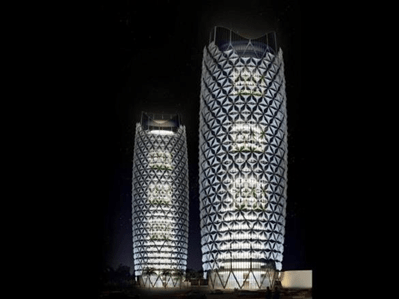
WORKING MECHANISM-The screen operates as a curtain wall, sitting two meters outside the buildings’ exterior on an independent frame. Each triangle is coated with fiberglass and programmed to respond to the movement of the sun as a way to reduce solar gain and glare. In the evening, all the screens will close.
At night they will all fold, so they will all close, so you’ll see more of the facade. As the sun rises in the morning in the east, the mashrabiya along the east of the building will all begin to close and as the sun moves round the building, then that whole vertical strip of mashrabiya will move with the sun.
[ For Abu Dhabi’s newest pair of towers, Aedas architects have designed a responsive facade which takes cultural cues from the “mashrabiya”, a traditional Islamic lattice shading device.]
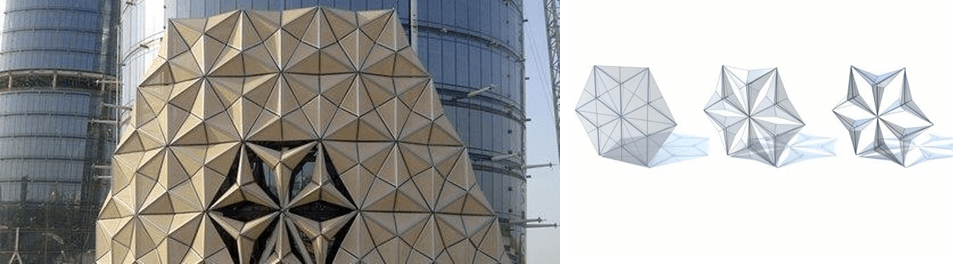
CHARACTERSTICS OF FACADE-The facade on Al Bahar , computer-controlled to respond to optimal solar and light conditions, has never been achieved on this scale before. In addition, the expression of this outer skin seems to firmly root the building in its cultural context
• Location – It is located in the Western Ghats, on the
banks of the Baji Pasalkar Reservoir behind the
Varasgaon Dam (Varasgaon Dam & Reservoir) near
Pune and Mumbai.

• Materials used- Green roofs that’s prevent soil
erosion, and polymer product that stiffens soil .
• Area statement-total- 40 sq mil
Elevation-630m[2,070 ft]
• Level of Biomimicry-Ecosystem Level
• Part of biomimicry used-City rooftops mimic the banyan fig leaf looking to its drip-tip system that allows water to run off while
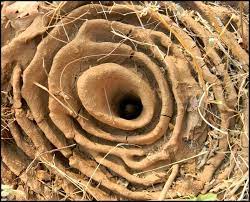
simultaneously cleaning its surface. To control water over-flow from run-off during the rainy season, HOK mimicked native harvester
ant nests. The ants construct radiating grooved earth dams around the central nest hole to redirect water away in multiple
directions. This successful ant engineering was mimicked in the design Lavasa’s drainage system for the master site plan.
• Design concept-It relies heavily on sustainability principles of energy conservation, reduction in demand of virgin resources and
waste diversion. It configured the landuse distribution in such a way that the concepts like ‘walk to work’, ‘walk to school’ and ‘ walk
to park’ becomes reality.
• Impact on environment-There is no waste and use of only recyclable materials as that is how the nature and ecosystem was
designed. It has developed an overall master plan for the town with included landscape plans to minimize deforestation.
• Inference-It is based on the principle of new urbanism. It gives nature its chance to teach sustainable human settlement through
biomimicry.
EIFFEL TOWER
LOCATION
The Eiffel Tower is a landmark and an early example of wrought-iron construction on a gigantic scale in Paris,France .
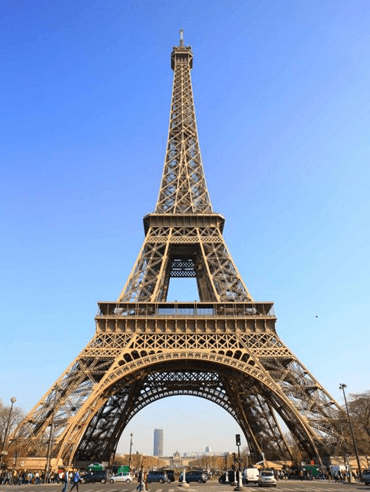
DESIGNED BY- It was designed and built by the French civil engineer Gustave Alexandre Eiffel for the Paris World’s fair of 1889.
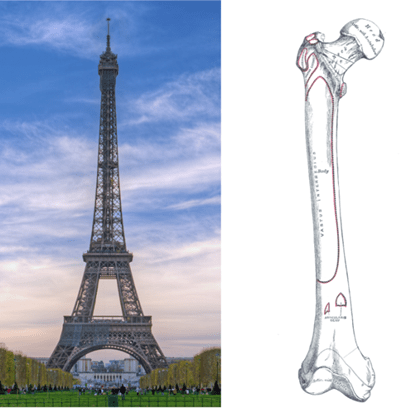
INSPIRED BY -Eiffel Tower is inspired by Bamboo and bone as they are both natural Nano-engineered materials that use structural hierarchy to achieve their lightness and strength. The Eiffel Tower uses a similar idea. Eiffel borrowed this notion from bamboo and bone, and put it to use on a colossal scale.
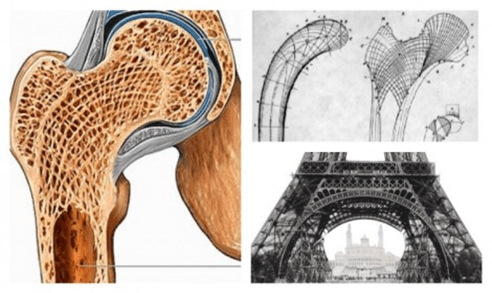
CONCEPT- The Eiffel tower is incredibly well optimized to do what it was designed to do, to stand tall and stand strong, while using a minimum of material.
The Eiffel tower was built with a structure similar to that of the Thigh bone head. Tower was able to build the longest structure that was built in that period, with high strength and flexibility, using less steel material.
Eiffel tower’s beauty had to do with economy and structural efficiency, with achieving the greatest strength with the east possible material.
EASTGATE CENTRE
LOCATION
The Eastgate Centre designed by architect Mick Pearce in conjunction with engineers at Arup Associates is a large office and shopping complex In Harare, Zimbabwe.”
INSPIRED BY: Inspired by the way the insects use very limited resources to create ventilated mounds, permeating them with holes over the surface, Pearce set out to construct a building also peppered with holes all over the building’s “skin
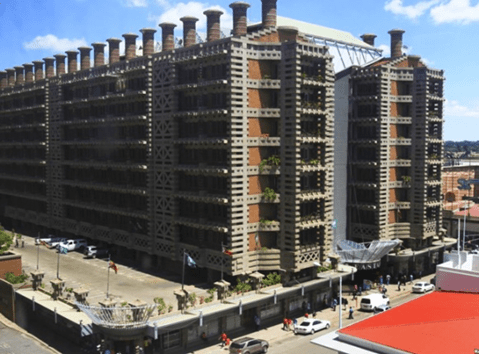
CONCEPT- Self-cooling mounds of African termites
The building has no air-conditioning or heating but regulates its temperature with a passive cooling system inspired by the self-cooling mounds of African termites. The structure, however, does not look like a termite mound to function like one and instead aesthetically draws from indigenous Zimbabwean masonry.
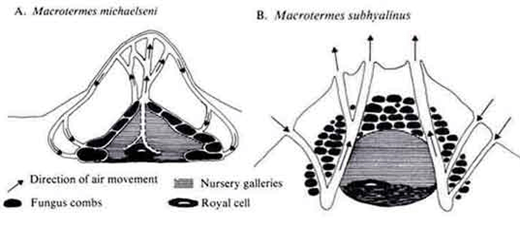
The Eastgate, center , largely made of concrete, has a ventilation system which operates in a similar way. Outside air that is drawn in is either which is hotter, the building concrete or the air. It is then vented into the building’s floors and offices before exiting via chimneys at the top. The complex also consists of two buildings side by side that are separated by an open space that is covered by glass and open to the local breezes.
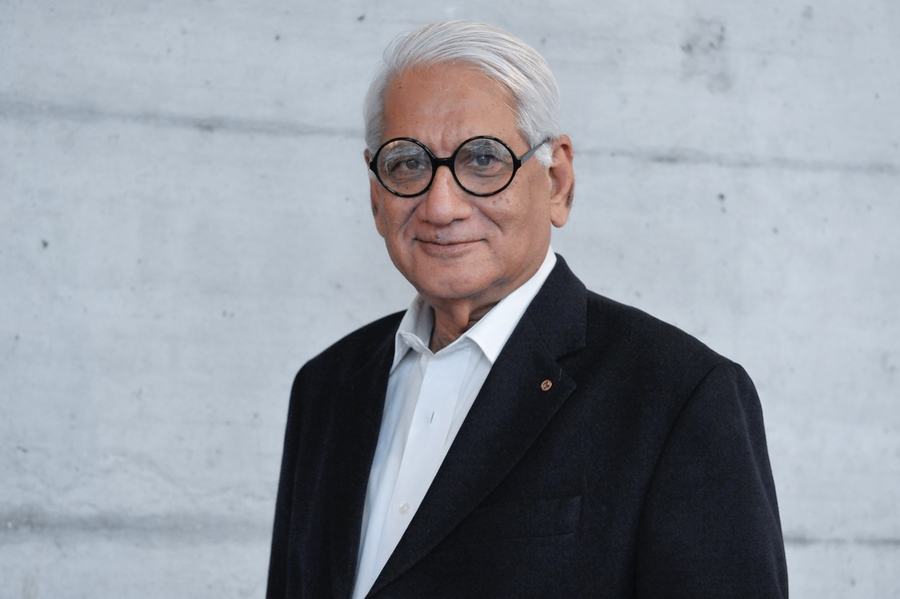
Charles Correa was a well-known Indian architect, an urban planner, activist and theoretician. He was one of the few contemporary architects who addressed the issues related to low-income housing. Also, he was one of the pioneers responsible for creating modern architecture in post-independent India. More than 100 buildings are designed by him in India, ranging from low-income housing to luxury condos. Moreover, Correa respected the local culture around the sites and hence used the local materials as well as techniques to provide creative and modern solutions for his designs.
Among the many famous and innovative structures designed by Ar. Charles Correa, let’s go through three classic masterpieces by him.
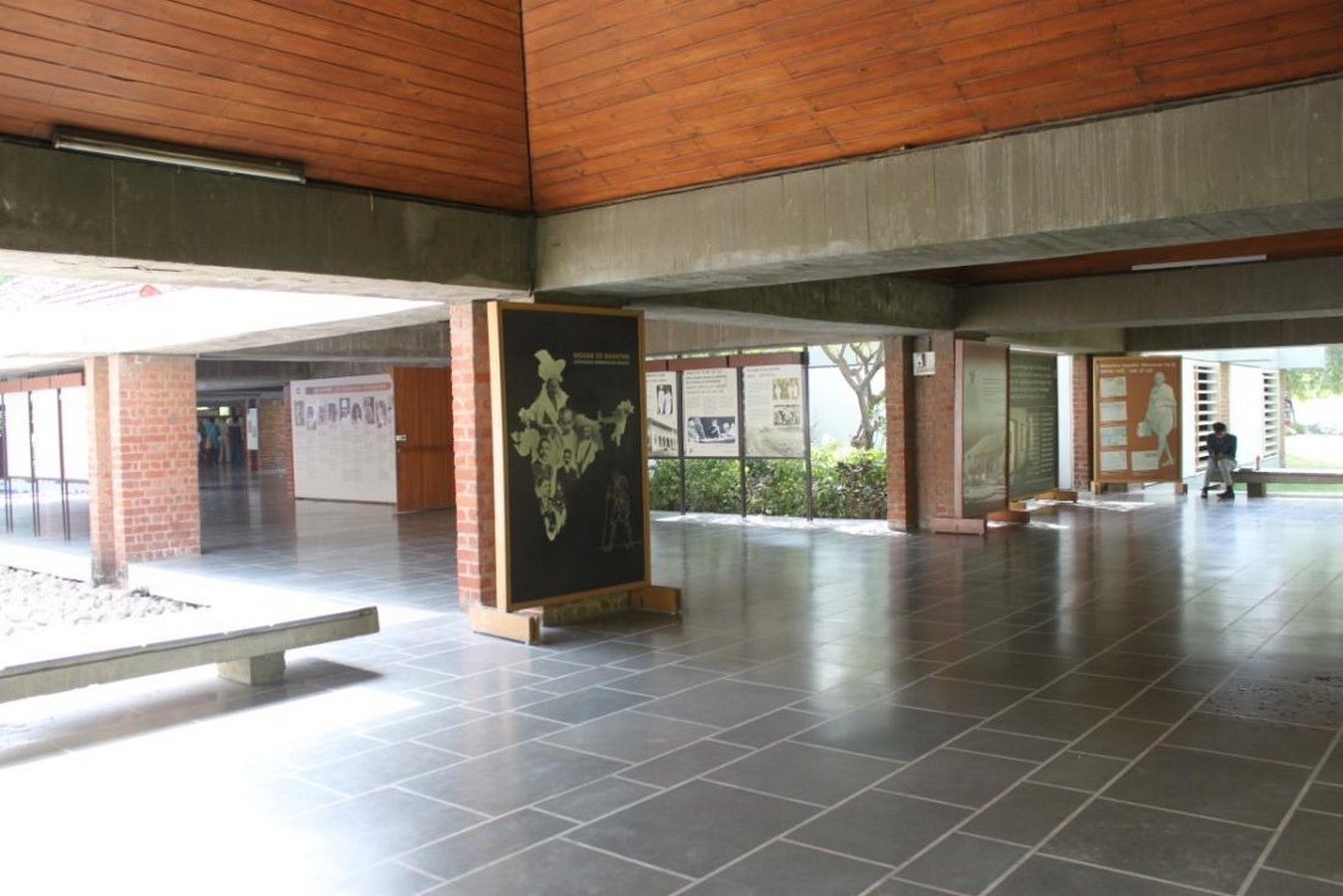
The site of Gandhi Smarak Sangrahalaya is situated on the bank of Sabarmati River. The project is a part of the larger ashram complex and is integrated into gardens. The interior space follows a grid planning pattern. The five enclosed rooms house the collection of the museum. Brick is the primary material used in the construction of the structure, and it also helps in giving an earthy feeling to the whole space. Moreover, wooden louvered screens are used for ventilation. These rooms are connected by a semi-open pathway. Correa has used a 6-meter square module for all the rooms. Also, subtle changes to this module give away to a variety of enclosure arrangements resulting in an array of lighting, visual connectivity and temperature. The unique element in this design is an arrangement of closed, open and semi-open spaces which gives a sense of merging in the surrounding. Also, the central uncovered open to sky pool is one of the pause points which improves the micro-climate of the space. Despite the fact that the structure was opened to the public around 57 years ago, it gives an impression of being quite a recent one. Thus, Gandhi Smarak Sangrahalaya is truly one of the post-independence classic structures in India.


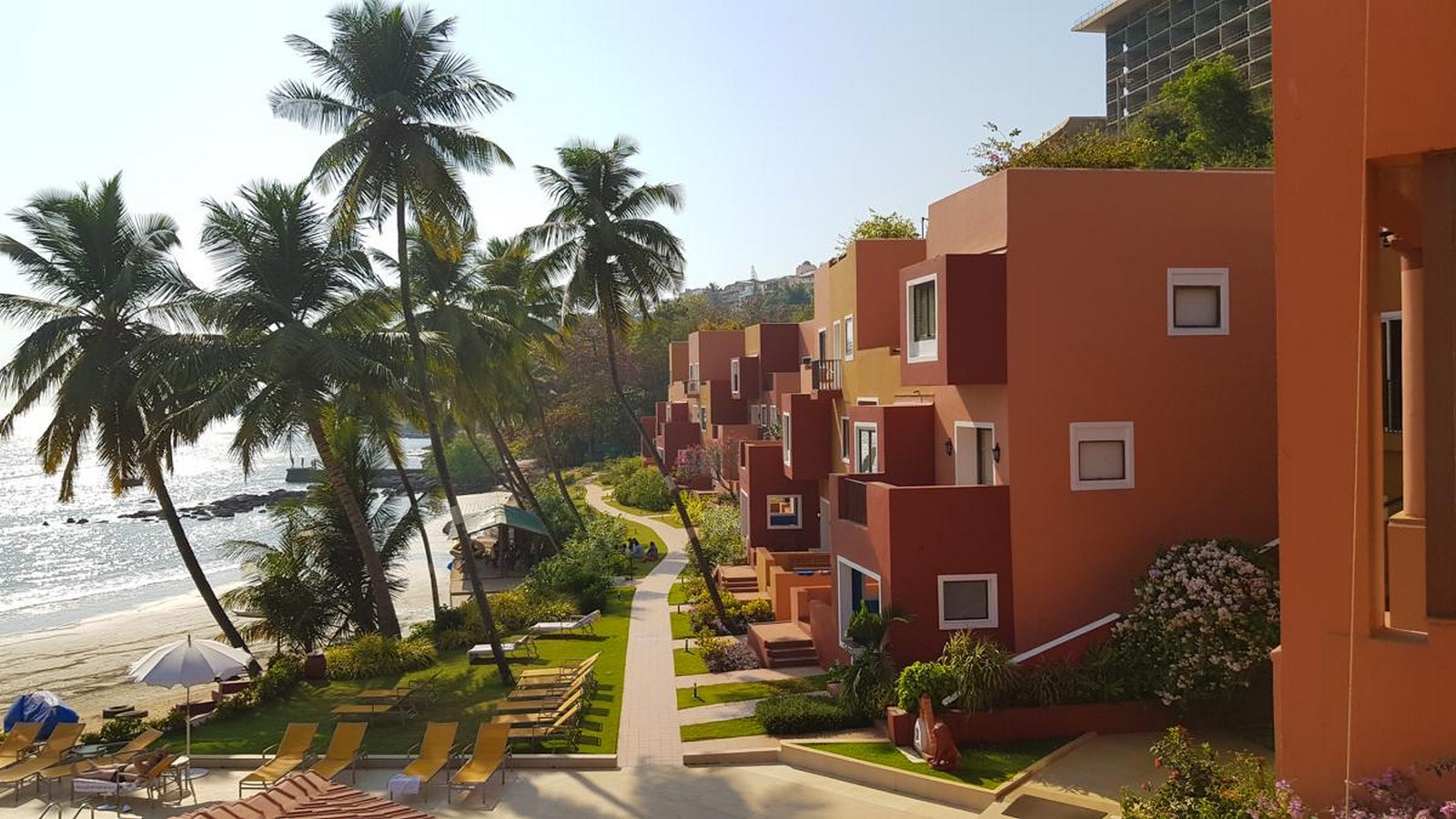
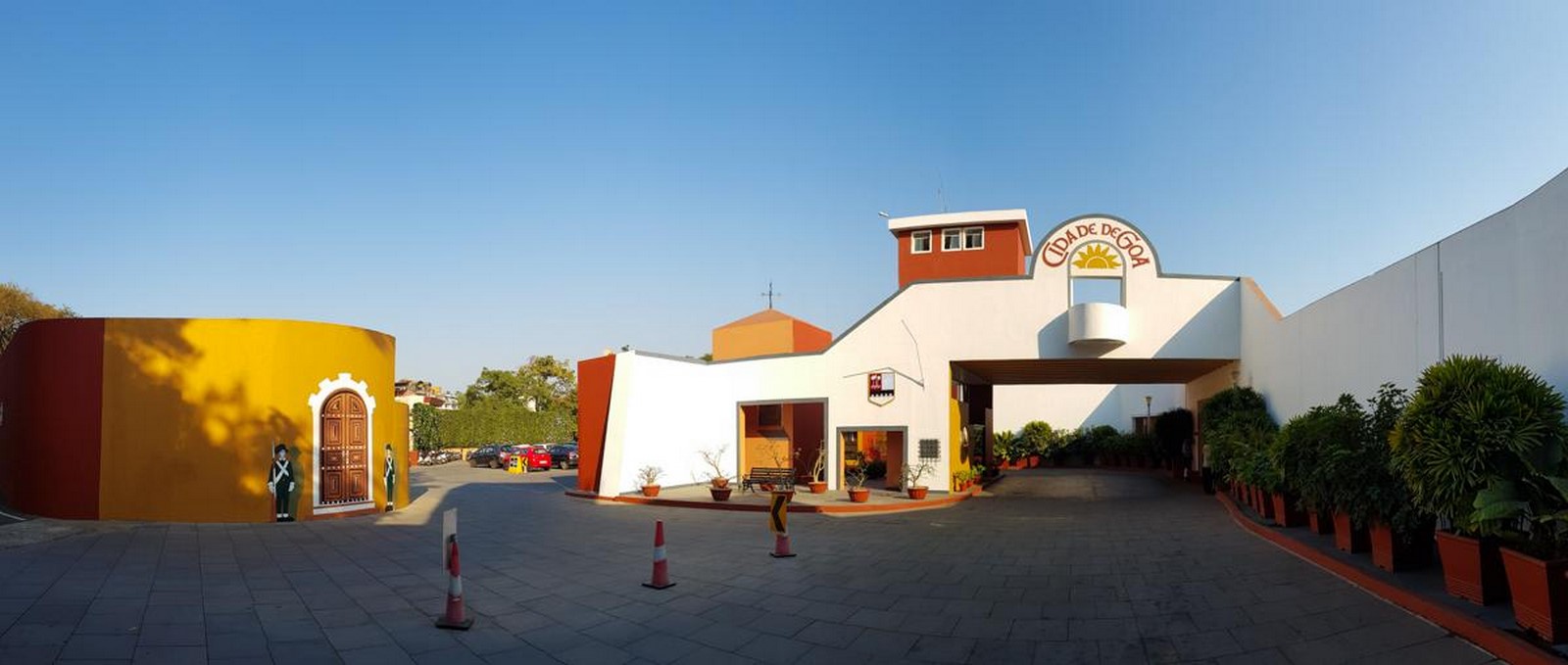
Cidade De Goa is a resort situated in Dona Paula, Goa. Originally built in 1982, the resort is based on the concept of ‘a hotel as a village.’ Based on the bay of the Zuari River, Charles Correa has created a locally themed space showcasing the elements and characteristics of the state. The entrance arch, the taverna, the balcoes, the coconut palms are all small elements that showcase the history and urbanscape of Goa. Many refurbishments have been carried out in the resort but it blends well with the original design of the architect. One can witness beautiful art covering the walls and corridors. Also, the architect has tried to bring the 4th-dimensional experience through a wall in the passage of the lobby, but it’s not actually a wall but rather a street. The facade wall is designed with square punctures that allow sight of the sea. The use of semi-open corridors and sometimes even grant a view of courtyards and green patches.

Kanchanjunga Apartment is a one of a kind building in India. Constructed in 1983, it is designed with a direct response to the culture, escalating urbanization and the climatic conditions of the city. The building is oriented east-west to have natural airflow and be open to the best views of the city. Four different apartment typologies of three to six bedrooms are interlocked. The displacements of levels are critically planned to provide a space for external filled terraces and eternal elevated volumes. The 32-storey building is made of reinforced concrete with 6.3-meter cantilever open terraces. The central core houses the main structural element to resist the lateral loads and the lift. This central core is made up of slip method construction. This was the first time this technique was used in India for multi-storey building construction. Also, the terrace gardens of the building are a modern interpretation of a veranda of a traditional Indian bungalow. Thus, the innovative design of Kanchanjunga Apartment is still unique and one of a kind in Mumbai which makes it one of the classic structures ever built by Architect Charles Correa.


 Bhargavi N